Blue Christmas
Readings That Have Helped In the Blues this Season

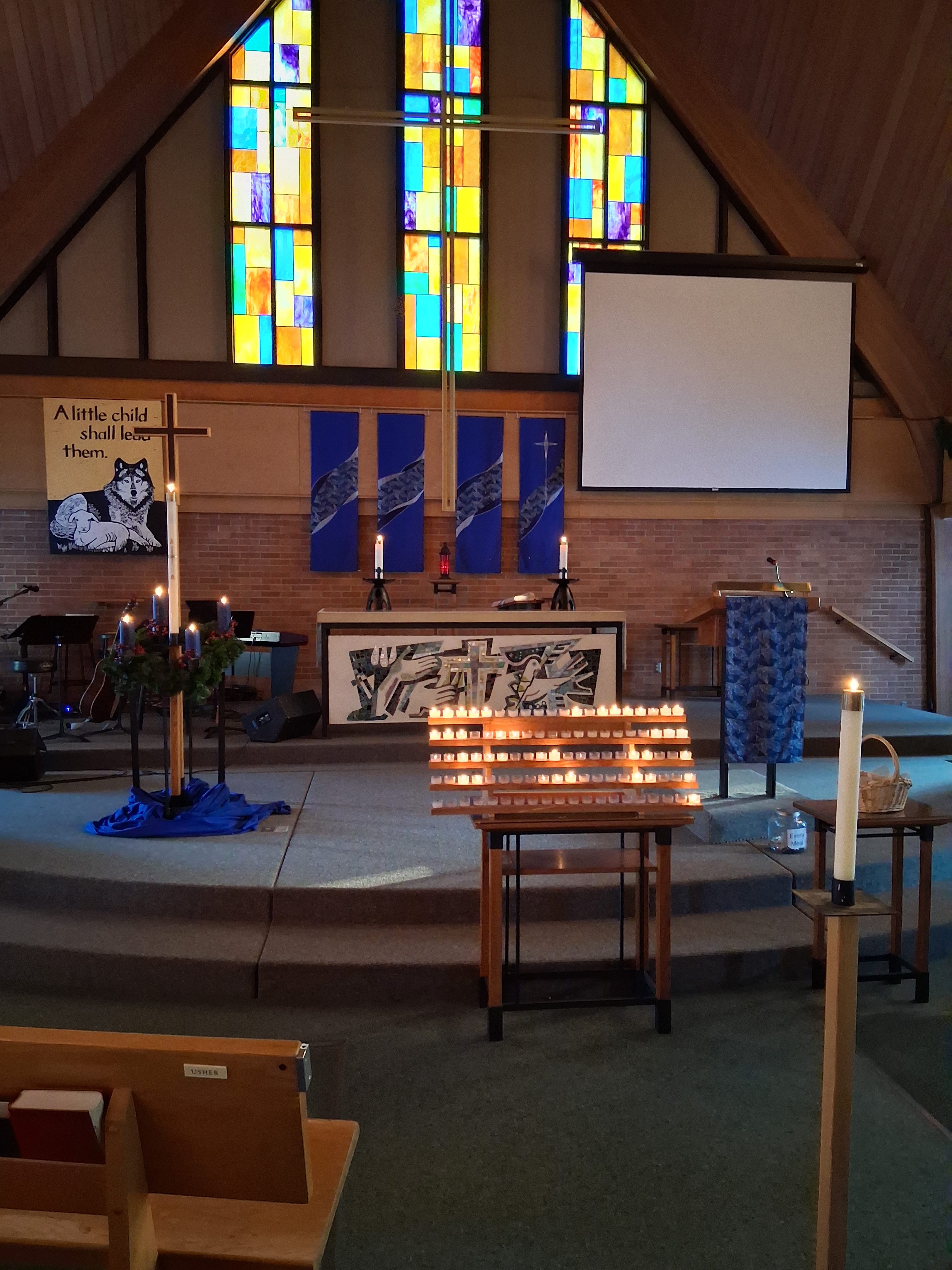
Last week we offered a Blue Christmas service at church. It is a way of making space for the various shades of blue we can feel in this season. Not everyone is ready for joy and mirth and parties. People do not always know what to do with the rising emotions that we can feel of loss or even just general sadness.
So we have a little time for a few readings, lighting candles, writing what sadness we carry, and music (either guitar or piano). They are never “big” services, but they are heartfelt and honest.
I wanted to share a couple of the readings that I appreciated this year. One comes from Dom Helder Camara, who had been a bishop in Brazil under authoritarian rule. He was known for saying that “when I give food to the poor, I am called a saint. When I ask why they are poor, I am called a communist.”
He ruffled feathers. He also understood what it felt like in the darkness of night. This was one passage I appreciated at our Blue Christmas:
In the middle of the night, when stark night was darkest, then you chose to come. God’s resplendent first-born sent to make us one. The voices of doom protest: “All these words about justice, love and peace—all these naïve words will buckle beneath the weight of a reality which is brutal and bitter, ever more bitter.” It is true, Lord, it is midnight upon the earth, moonless night and starved of stars. But can we forget that You, the son of God, chose to be born precisely at midnight?
It reminds me of the origins of the Christmas message, coming in the hardest season under duress from the empire.
Another Blue Christmas reading that touched me was from Andrea Gibson, a genderqueer poet who died this year from ovarian cancer. As they were pondering their mortality, Gibson wrote amazing and evocative poetry.
One part of Gibson’s poem, called Tincture, imagined what might happen when a person dies and the soul misses the body.
Imagine, when a human dies,
the soul misses the body, actually grieves
the loss of its hands and all
they could hold. Misses the throat closing shy
reading out loud on the first day of school.

Imagine the soul misses the stubbed toe,
the loose tooth, the funny bone. The soul still asks, Why
does the funny bone do that? It’s just weird.
There is something powerful in imagining what happens to the mortal human being. This human embodied existence is powerful when seen in the scope of the universe of stars and comets. And then Gibson goes on to imagine what might happen when stars encounter a human being who has died:
When a human dies the soul moves
through the universe trying to describe how a body trembles
when it’s lost, softens when it’s safe, how a wound would heal
given nothing but time. Do you understand? Nothing in space can
imagine it. No comet, no nebula, no ray of light
can fathom the landscape of awe, the heat of shame.
The fingertips pulling the first gray hair
and throwing it away. I can’t imagine it,
the stars say. Tell us again about goosebumps.
Tell us again about pain.
That part gets me - the stars asking a human about an experience they have never had. Tell us again about goosebumps. Tell us again about pain.
For Blue Christmas, these readings help me approach the season with a spirit of openness to all the emotions - awe, shame, goosebumps, pain - and also an openness to the promise of justice, love and peace.
Whatever your background and location, I send good wishes to embrace you in all that you know of goosebumps and pain, and I wish you peace.
Blue Christmas services can be powerful opportunities to begin healing.
The first Blue Christmas service I attend was the year there were 3 deaths of family members and one friend in an 8 month period. It was a lot to deal with
I am not sure which denomination you serve, Hans, but I assume Protestant. I attended my United Church of Christ, Blue Christmas service this last Sunday. It is a time to focus on those people loved and lost at a time of year when we are caught up in the sparkle and shopping of the holiday season. It gives pause and consideration for the people who helped shaped and support us. At the end, I was able to light a candle for my late spouse. It is a beautiful event and I am grateful for it each year. Thank you for writing about it.